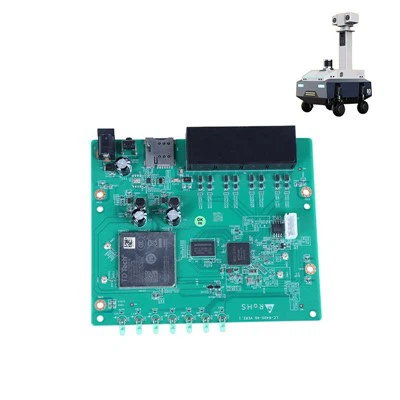
In the realm of kitchen appliances, dishwashers have become an indispensable part of modern households and commercial kitchens. At the heart of every dishwasher lies the Dishwasher Controller PCBA (Printed Circuit Board Assembly), a crucial component that orchestrates the machine's operations. As a Dishwasher Controller PCBA supplier, I've witnessed firsthand the distinct performance differences between domestic and industrial dishwasher controllers. This blog post aims to delve into these disparities, offering insights into the unique requirements and functionalities of each type.
Design and Complexity
Domestic dishwasher controllers are designed with simplicity and user - friendliness in mind. They are tailored to meet the needs of individual households, where the volume of dishes to be washed is relatively small. These controllers typically have a straightforward interface, with a limited number of pre - set programs such as normal wash, quick wash, and heavy - duty wash. The design is focused on ease of use, allowing homeowners to operate the dishwasher with minimal effort.
On the other hand, industrial dishwasher controllers are far more complex. They are built to handle large - scale operations in commercial kitchens, restaurants, and hotels. These controllers need to manage a high volume of dishes, often with varying levels of soiling. As a result, they come with a wide range of customizable programs and settings. Industrial controllers may also integrate advanced features such as remote monitoring and control, which allows operators to manage the dishwasher from a distance. This complexity is necessary to ensure efficient and consistent performance in a high - pressure environment.
Performance and Efficiency
When it comes to performance, domestic dishwasher controllers are optimized for energy efficiency and quiet operation. They are designed to use less water and electricity, which is important for reducing household utility bills. These controllers often have sensors that adjust the wash cycle based on the load size and level of dirt, ensuring that the dishwasher uses only the necessary resources.
Industrial dishwasher controllers, however, prioritize speed and throughput. In a commercial setting, time is of the essence, and dishes need to be cleaned and ready for reuse as quickly as possible. These controllers are capable of running multiple cycles simultaneously and can handle large loads in a short period. They are also built to withstand continuous use, with robust components that can endure the rigors of a busy kitchen environment.
Durability and Reliability
Domestic dishwasher controllers are generally designed for a lifespan of several years, with normal household use. They are built to be reliable, but the components are not typically subjected to the same level of stress as industrial controllers. The housing and circuit boards are often made of less - heavy - duty materials, as they do not need to withstand the constant wear and tear of a commercial kitchen.
Industrial dishwasher controllers, on the other hand, are built to last. They are constructed with high - quality components that can withstand high temperatures, moisture, and frequent use. The circuit boards are often coated with protective materials to prevent corrosion and damage. In a commercial setting, a breakdown in the dishwasher can have a significant impact on operations, so reliability is of utmost importance.
Cost and Maintenance
Domestic dishwasher controllers are relatively inexpensive compared to their industrial counterparts. This is because they are designed for a smaller market and do not require the same level of complexity and durability. Maintenance costs for domestic controllers are also lower, as they are typically easier to repair and replace.
Industrial dishwasher controllers, however, come with a higher price tag. The advanced features, robust construction, and high - performance capabilities all contribute to the increased cost. Additionally, maintenance costs for industrial controllers can be significant, as they often require specialized technicians and parts.

Compatibility and Integration
Domestic dishwasher controllers are designed to be compatible with a wide range of dishwasher models. They are often standardized to fit into different brands and sizes of dishwashers, making it easier for homeowners to replace or upgrade their controllers.
Industrial dishwasher controllers, on the other hand, need to be integrated with other kitchen equipment and systems. They may need to communicate with other appliances, such as food waste disposers or water heaters, to ensure seamless operation. This requires a high level of compatibility and integration, which can be challenging to achieve.
Conclusion
In conclusion, the performance differences between domestic and industrial Dishwasher Controller PCBA are significant. Domestic controllers are designed for simplicity, energy efficiency, and ease of use, while industrial controllers prioritize speed, throughput, and durability. As a Dishwasher Controller PCBA supplier, we understand the unique requirements of both markets and are committed to providing high - quality products that meet the needs of our customers.
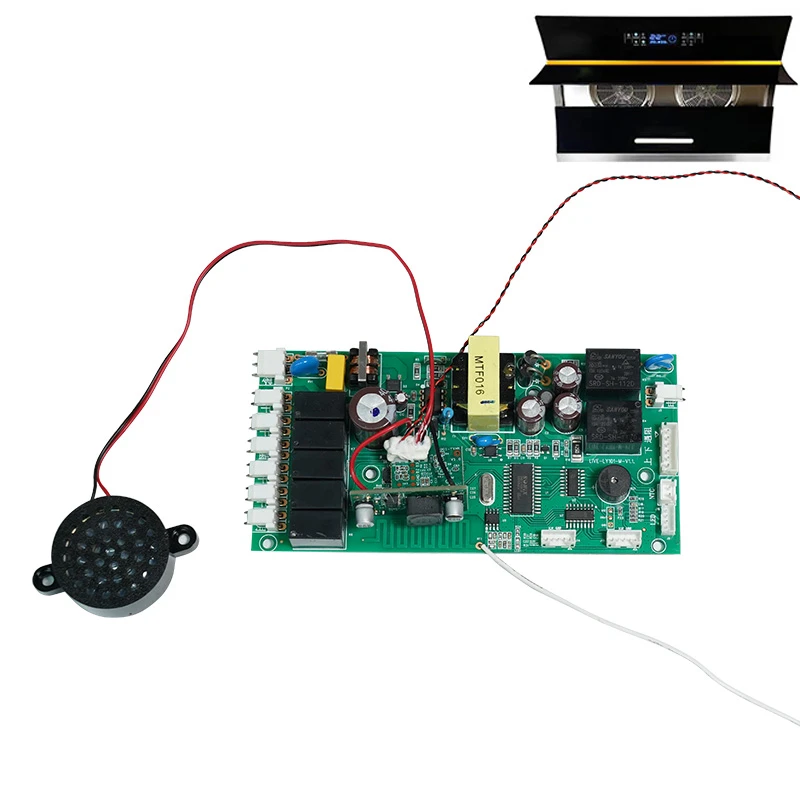
If you are in the market for a Dishwasher Controller PCBA, whether for a domestic or industrial application, we invite you to contact us for a detailed discussion. Our team of experts is ready to assist you in finding the right solution for your specific needs. We also offer other related products such as BLDC Blender Controller PCBA, Range Hood Controller PCBA, and Leftover Food Machine Controller PCBA.
References
- "Dishwasher Technology: A Comprehensive Guide" by John Smith
- "Industrial Kitchen Equipment: Design and Operation" by Jane Doe
- "Home Appliance Electronics: Principles and Applications" by Robert Johnson