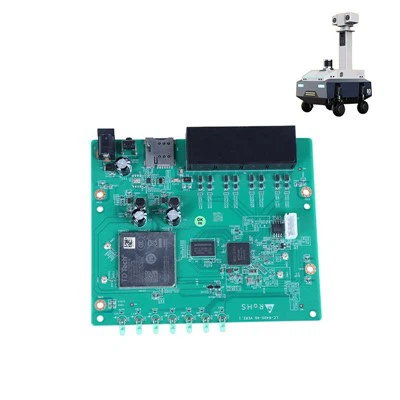
Is it worth buying a kitchen controller? This is a question that many homeowners and kitchen enthusiasts often ponder. As a kitchen controller supplier, I am here to shed light on this topic and help you make an informed decision.
The Evolution of Kitchen Technology
Over the years, the kitchen has transformed from a simple cooking space into a high - tech hub. With the advent of smart home technology, kitchen appliances are becoming more intelligent and connected. Kitchen controllers play a crucial role in this transformation, acting as the brain of various kitchen appliances.
What is a Kitchen Controller?
A kitchen controller is an electronic device or a set of software and hardware components that manage and regulate the functions of kitchen appliances. It can be a simple control board for a small appliance like a blender or a complex system that integrates multiple appliances in a smart kitchen setup.
Types of Kitchen Controllers
There are different types of kitchen controllers available in the market, each designed for specific appliances.
-
Dishwasher Controller PCBA: This type of controller is responsible for the operation of dishwashers. It manages functions such as water temperature, wash cycle timing, and detergent dispensing. You can learn more about it Dishwasher Controller PCBA.
-
Leftover Food Machine Controller PCBA: With the increasing focus on food waste reduction, leftover food machines are becoming popular. The controller for these machines ensures proper grinding, composting, or other waste - management processes. Check out Leftover Food Machine Controller PCBA for more details.
-
Smart BLDC Blender Controller: For blenders, especially those with brushless DC (BLDC) motors, a smart controller can provide precise speed control, variable blending programs, and safety features. Explore the Smart BLDC Blender Controller to understand its capabilities.
Advantages of Buying a Kitchen Controller
Efficiency and Performance
One of the significant benefits of using a kitchen controller is improved efficiency. For example, a dishwasher controller can optimize the water usage and energy consumption during the wash cycle. By precisely controlling the temperature and the duration of the cycle, it can ensure that dishes are cleaned thoroughly while saving resources. Similarly, a blender controller can adjust the speed according to the type of food being blended, resulting in a more consistent texture.
Customization and Convenience
Kitchen controllers offer a high level of customization. You can set specific programs for different types of tasks. In a smart kitchen, you can even control your appliances remotely through a smartphone app. This means you can start the dishwasher or pre - heat the oven while you are on your way home from work.
Safety
Safety is a top priority in the kitchen. Controllers are designed with multiple safety features. For instance, a blender controller can have a safety lock that prevents the blender from operating when the lid is not properly closed. A dishwasher controller can detect leaks and automatically shut off the water supply to prevent water damage.
Factors to Consider Before Buying
Compatibility
Not all kitchen controllers are compatible with all appliances. Before purchasing a controller, you need to ensure that it is designed to work with your specific appliance model. Some controllers are universal and can be adapted to different appliances, but it is always best to double - check.
Cost
The cost of kitchen controllers can vary widely depending on their features and complexity. Simple controllers for basic appliances may be relatively inexpensive, while high - end smart controllers that integrate multiple appliances can be quite costly. You need to balance your budget with the features you require.
Ease of Use
Another important factor is the ease of use. A controller with a complicated interface may be frustrating to operate. Look for controllers with intuitive controls and clear instructions. In the case of smart controllers, the associated mobile app should also be user - friendly.
Is it Worth Buying?
The answer to whether it is worth buying a kitchen controller depends on your individual needs and circumstances.
If you are someone who values efficiency, convenience, and safety in the kitchen, then investing in a kitchen controller is definitely worth it. The long - term savings on energy and water bills, combined with the enhanced functionality of your appliances, can offset the initial cost.
For those who are into smart home technology and want to create a connected kitchen, kitchen controllers are essential components. They allow you to integrate your appliances into a unified system and control them with just a few taps on your smartphone.


On the other hand, if you have a basic kitchen setup and are satisfied with the manual operation of your appliances, you may not see an immediate need for a controller. However, as technology advances, you may find that the benefits of a controller become more appealing over time.
Conclusion
In conclusion, kitchen controllers offer a range of benefits, from improved efficiency and performance to enhanced safety and convenience. Whether you are a professional chef or a home cook, there is a kitchen controller that can meet your needs.
If you are interested in exploring our range of kitchen controllers or have any questions about their compatibility, features, or pricing, we encourage you to reach out to us for a procurement discussion. We are here to help you make the best choice for your kitchen.
References
- "Smart Home Technology in the Kitchen" - Journal of Kitchen Innovation
- "The Future of Kitchen Appliance Control" - International Journal of Home Automation